

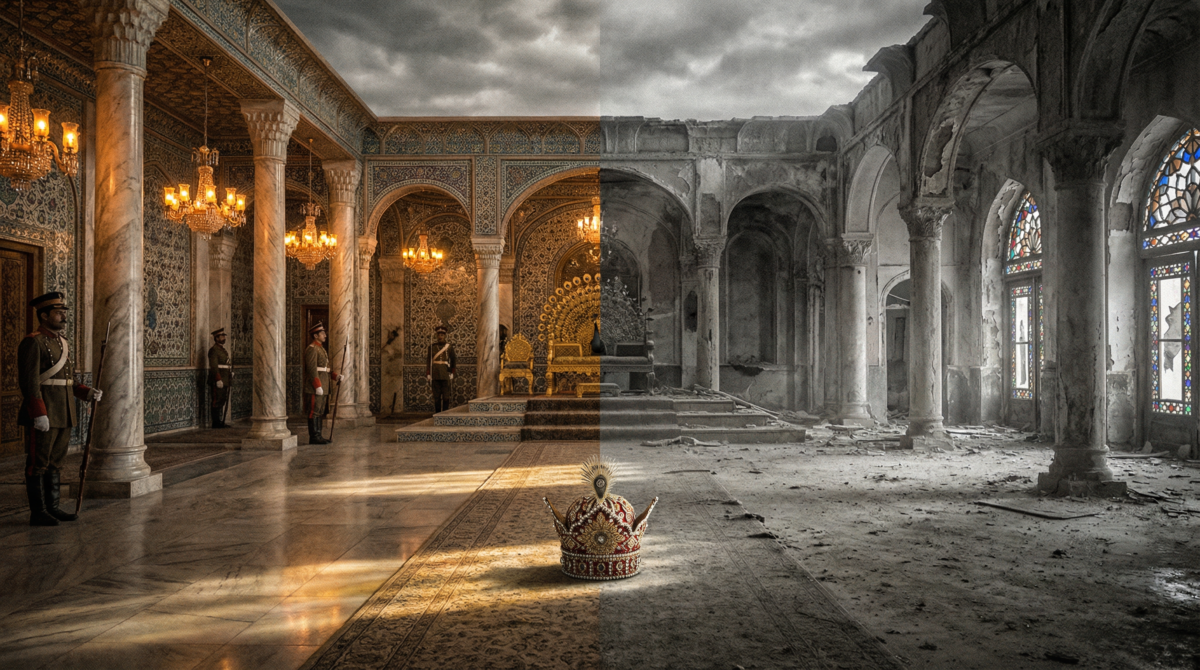
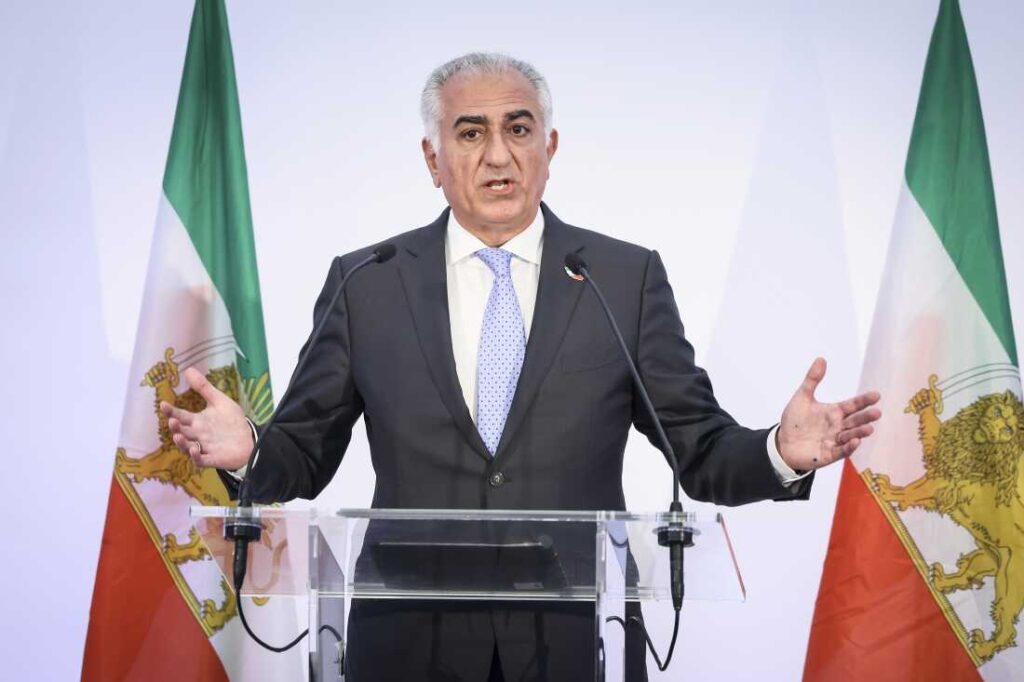
History doesn’t repeat itself, but it does rhyme. In the winter of 2026, as the Islamic Republic of Iran teeters on the brink of collapse, a ghost has returned to haunt Tehran. From his home in the suburbs of Washington D.C., a 65-year-old man who has not set foot in his homeland for 47 years is once again a central figure in its destiny. His name is Reza Pahlavi, and he is the exiled Crown Prince of Iran, the heir to a throne that no longer exists.
As a new generation of Iranians chant the name of his long-dead father in the streets, the story of the Pahlavi dynasty — its dramatic rise, its brutal reign, and its spectacular fall — has become essential reading. It is a story of two Shahs: a father who built a nation from dust, and a son who lost it all to revolution.
The Father: A Soldier Forges a Nation
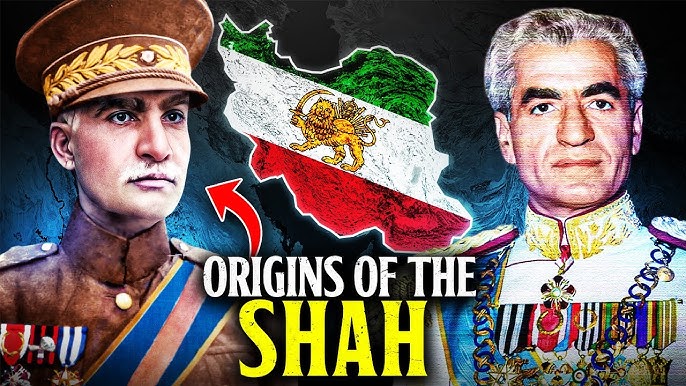
The Pahlavi story begins not in a palace, but in a village. Reza Khan, born in 1878, was a common soldier of obscure origin who rose through the ranks of the Persian Cossack Brigade, a Russian-led military unit. In 1921, with the backing of the British who saw him as a bulwark against the Bolsheviks, he marched his troops on Tehran and seized power from the crumbling Qajar dynasty.
By 1925, he had deposed the last Qajar shah and crowned himself Reza Shah Pahlavi, taking a name that deliberately evoked the pre-Islamic glory of the Sasanian Empire. He was an autocrat, a modernizer, and a nationalist in the mold of his contemporary, Turkey’s Mustafa Kemal Atatürk. He built the Trans-Iranian Railway, established the University of Tehran, banned the veil, and forced men into Western suits. He was ruthless, crushing tribal rebellions and centralizing power with an iron fist. But his flirtation with Nazi Germany proved his undoing. In 1941, fearing he would side with the Axis, the Allies (Britain and the Soviet Union) invaded Iran and forced him to abdicate in favor of his 22-year-old son, Mohammad Reza. Reza Shah died in exile in South Africa in 1944, never to see Iran again.
The Son: The King of Kings and the Revolution
Mohammad Reza Pahlavi began his reign as a constitutional monarch, but the 1953 CIA-backed coup that overthrew his popular Prime Minister, Mohammad Mossadegh, changed everything. After being briefly forced to flee, the Shah returned to power as an absolute ruler. For the next 25 years, he ruled Iran with a combination of grand ambition and brutal repression.
His “White Revolution” in 1963 brought land reform, women’s suffrage, and a massive literacy campaign. He built a modern military, a network of highways, and a booming economy fueled by oil wealth. But beneath the veneer of progress was the iron hand of SAVAK, his notorious secret police, trained by the CIA and Israel’s Mossad. Thousands of dissidents were tortured and executed. The Shah’s lavish 1971 celebration of the 2,500th anniversary of the Persian Empire at Persepolis, costing hundreds of millions of dollars, became a symbol of his detachment from the lives of ordinary Iranians.
By the late 1970s, a perfect storm was brewing. Economic recession, combined with the Shah’s increasingly autocratic rule and the growing influence of an exiled cleric named Ayatollah Ruhollah Khomeini, created a revolutionary movement. The Shah, secretly battling cancer and seemingly paralyzed by indecision, failed to grasp the scale of the opposition until it was too late. On January 16, 1979, he left Iran for what was officially described as a “vacation.” He would never return.
The Exile: A 47-Year Wait
The Shah died of lymphoma in Egypt in 1980, a broken man. His son, Reza Pahlavi, who was training as a fighter pilot in the United States when the revolution occurred, became the pretender to the Peacock Throne. For nearly five decades, he has lived a life in exile, a king without a kingdom.
Now, as the Islamic Republic faces its own existential crisis, the ghost of the Shah has returned. The chants of “Javid Shah!” on the streets of Tehran are not necessarily a call for the restoration of the monarchy, but a rejection of the 45-year rule of the clerics. They are a cry for the Iran that was lost — a modern, secular, and prosperous nation.
Reza Pahlavi, a man who has spent his entire adult life waiting for this moment, now finds himself at the center of a complex and dangerous game. He is a symbol of a past that many Iranians idealize, but also a reminder of an autocracy they do not wish to repeat. Whether he can unite the fractured opposition and offer a credible path forward remains the great unanswered question of Iran’s future. The soldier’s son lost a throne; can the Shah’s son reclaim it?